What sets the price of a refrigerated load
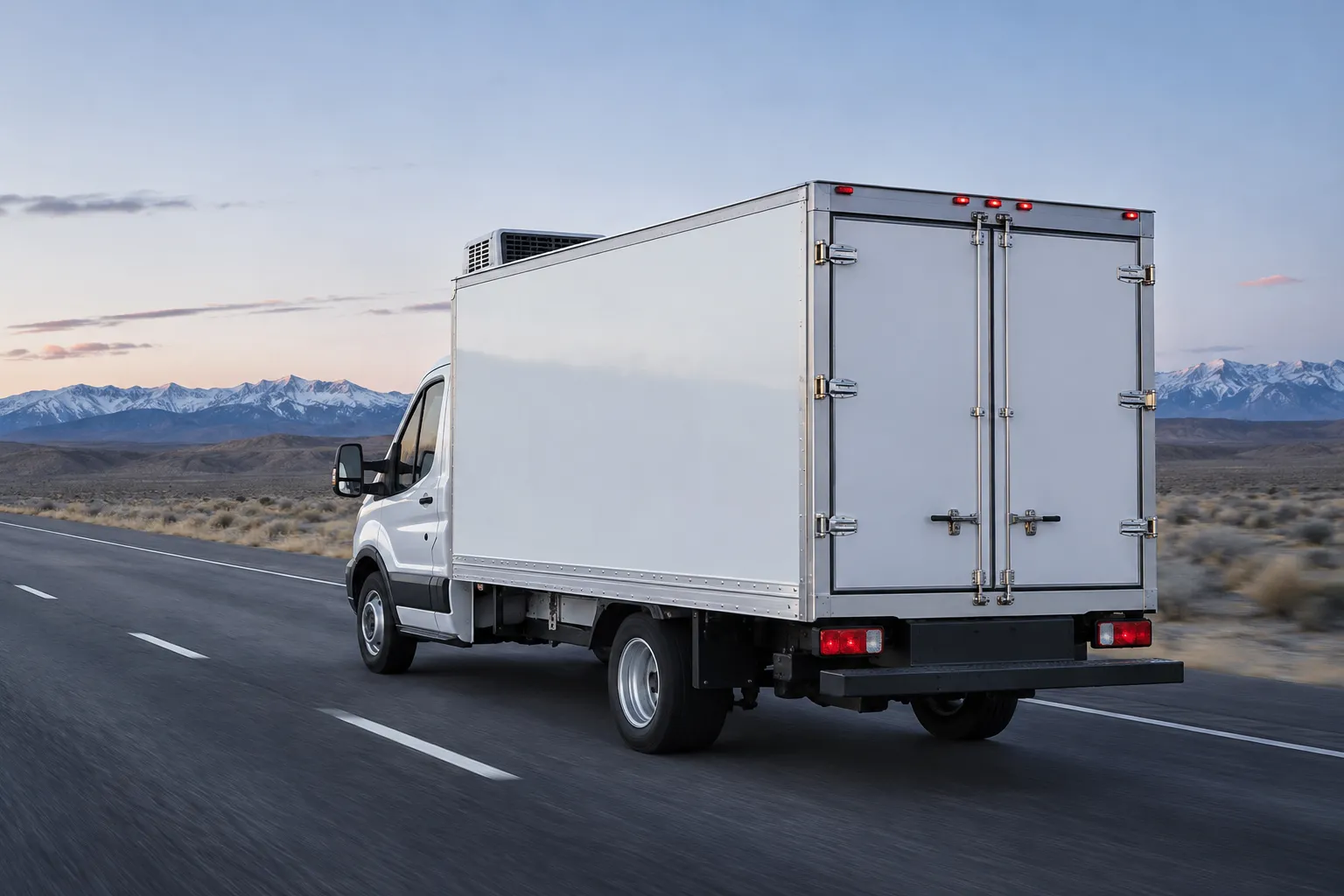
A refrigerated truck costs more to run than a dry one. The refrigeration unit burns fuel the whole trip, the insulated box weighs more and carries less, and the equipment costs more to buy and maintain. Those costs are in every reefer quote before anything about your particular load is considered.
After that, the price follows the work. Distance is the largest part, because it sets fuel, driver time and wear on the truck. Load size decides which vehicle is needed. Temperature, timing, the conditions at each dock and the miles the truck drives empty all move the figure up or down.
Cost factors at a glance
| Factor | Why it matters |
|---|---|
| Distance | Fuel, driver time and wear grow with every mile. It is usually the biggest part of the price. |
| Load size and vehicle | Pallet count and weight decide whether a van or a box truck is needed. A larger vehicle costs more to run. |
| Temperature | Holding frozen makes the refrigeration unit work harder than holding chilled, and it uses more fuel, most of all in hot weather. |
| Timing and urgency | A pickup on short notice or a fixed delivery appointment leaves the carrier less room to plan the truck. |
| Loading and unloading | A dock with a forklift is quick. Unloading by hand, stairs or long waits add driver time. |
| Empty miles | The truck has to reach your pickup and get back after delivery. Miles driven empty, called deadhead, are part of the cost. |
| Season | Demand for refrigerated trucks rises around produce harvests and holidays, and summer heat raises fuel use. |
No single factor sets the price. Two loads on the same lane can be quoted differently because of weight, temperature or the day they move.
Why a dedicated truck costs more per pallet
With refrigerated LTL (less than truckload), several shippers share one trailer and split its cost. You pay for the space your pallets take. The carrier fills the rest with other freight, usually by routing everything through terminals where pallets are sorted and reloaded.
With a dedicated truck, one shipper pays for the whole vehicle and driver for the whole trip, whether it carries one pallet or six. Nothing else is on board to share the cost. Divided by the pallet, that almost always comes out higher than an LTL rate for the same lane.
When a dedicated truck is worth the cost
The higher cost per pallet buys control over the schedule, the temperature and the handling. It tends to be worth paying for when at least one of these is true of your shipment:
- The product is worth far more than the freight bill, so one rejected delivery costs more than the difference.
- The delivery date or appointment cannot move.
- The product should not be handled at a terminal or reloaded on the way.
- It needs a temperature that would not suit other freight in a shared trailer.
- The load is small enough for a van or box truck, so you are not paying for a full-size trailer.
If none of these apply and the schedule is flexible, LTL is usually the cheaper way to ship.
What to send for an accurate quote
Pickup and delivery locations
Send both ZIP codes at least, and say whether each end has a loading dock, a forklift, or street-level access only.
Pallet count, size and weight
Count the pallets, give the footprint and height of each, and the total weight. Say whether they can be stacked.
Temperature
Give the temperature your product has to hold in transit, as a number. The words frozen and chilled are too broad to set a unit by.
Dates and receiving window
Give the day the freight is ready, the day it has to arrive, and when each location can load or receive.
With those four things a carrier can price the load without guessing. Missing details tend to come back as a padded quote or a changed one.
How Benefit Transportation prices a load
Benefit Transportation runs dedicated refrigerated vans and 16 ft box trucks, each with a driver, anywhere in the lower 48 states. There is no rate sheet. Every load is quoted on its own from the lane, the load size, the temperature and the timing. Call or text David at (619) 839-9809, or use the quote form.
Get a quoteDedicated refrigerated freightRefrigerated LTL alternative
Common questions
How much does refrigerated shipping cost per mile?
There is no single per-mile figure that holds across loads. The cost per mile changes with the length of the trip, the vehicle, the temperature, the season and how far the truck drives empty. Ask for a quote on your lane and load to get a real number.
Why is refrigerated freight more expensive than dry freight?
It costs more because the refrigeration unit burns fuel for the whole trip, the insulated equipment costs more to buy and maintain, and there are fewer refrigerated trucks than dry ones. The temperature also has to be watched from loading to delivery.
Is refrigerated LTL cheaper than a dedicated truck?
Usually yes, per pallet. LTL splits the cost of a trailer among several shippers, while a dedicated truck is paid for by one. The trade is that LTL freight moves through terminals on the carrier’s schedule, and a dedicated truck goes straight from your dock to the receiver.
Does frozen freight cost more to ship than chilled?
It can. Holding a frozen setpoint makes the refrigeration unit run harder and use more fuel than holding a chilled one, most of all in hot weather. The difference is usually smaller than the effect of distance or load size.
What do I need to get a refrigerated freight quote?
You need the pickup and delivery locations, the pallet count with dimensions and weight, the temperature the product must hold, and the dates. Details about docks, forklifts and receiving times help too, because loading conditions affect the price.